
OutageLoop - Self-Updating Status Pages for Website Owners
A status page that updates itself
- For
- Website owners, small SaaS teams and agencies who have to explain outages to their users
- Who are
- Frustrated by answering calls and emails during every outage, priced out of Statuspage-style tools, and stuck updating status manually because their status page doesn't detect downtime
- We build
- A hosted status page platform with built-in uptime monitoring that detects outages, publishes incidents automatically and notifies subscribers, with a genuinely useful free tier
- Unlike
-
Statuspage, which reviewers call very expensive for small projects, with a 'genuinely useless' free plan and no automated 200 OK checkInstatus, which reviewers say has limited built-in monitoring, no live updates and a clunky UI for bulk editsCachet, which needs Linux skills and took one reviewer a week to install
- We deliver
-
Automatic incident creation and resolution from built-in uptime checks, with no hand editsA live-updating public page that needs no refreshSetup in minutes with zero hosting or server work
- So that
- Website owners can keep users informed during outages without answering calls and emails, and without paying enterprise prices
 Next.js
N
 Node.js
P
 PostgreSQL
R
 Redis
The Problem
When a site goes down, website owners end up answering calls and emails one by one because nothing tells users what is happening ("Every user would call us in case of an outage"). The established tools are priced out of reach for small sites and don't detect outages on their own, so owners fall back on manual updates.
“Every user would call us in case of an outage, we're able to communicate outages, incidents and planned maintenance with Cachet and minimize our calls that way.”
G2 Review ↗“Having an organized status page, in a perfect way to inform all customers and not have to answer phone calls or emails!”
G2 Review ↗“Without it there would be a lot of work contacting clients and stakeholders.”
G2 Review ↗“It is a VERY expensive platform for SaaS providers with smaller numbers of clients/users. The Free plan is genuinely useless and the next step up is $360/year.”
G2 Review ↗“Unfortunately very overpriced, but for the features, some people will certainly spend on this, unfortunately not me.”
G2 Review ↗“It doesn't have an automated system to check if a service is accessible or it responds with a 200 OK status code.”
G2 Review ↗“Maybe a nice have would be having more built-in monitoring capabilities”
G2 Review ↗“I would love to see the status page update live without having to refresh it.”
G2 Review ↗“the lack of a connected changelog tool means I still have to maintain separate platforms for this sort of communication.”
G2 Review ↗“The interface is clunky for batch edits, creating many components, etc. Editing past incidents can bug out the page.”
G2 Review ↗Market Signals
Loading chart...
Competitors
A modern, polished hosted status page with many integrations and a generous free tier. Reviewers use it to tell customers about downtime and maintenance and to avoid answering calls and emails.
Unfortunately very overpriced, but for the features, some people will certainly spend on this, unfortunately not me.
The established Atlassian-owned status page, seen by reviewers as the reputable standard. It is simple and reliable, but reviewers say it is expensive and limited for small teams.
A free, self-hosted status page that looks like Atlassian's. It suits people who can run their own server, but it is hard for non-technical owners to install.
It took me a week to install Cachet and get it up and running properly.
A self-hosted monitoring tool that also offers status pages. No on-topic review evidence was found, so it is treated as an indirect alternative for technical owners.
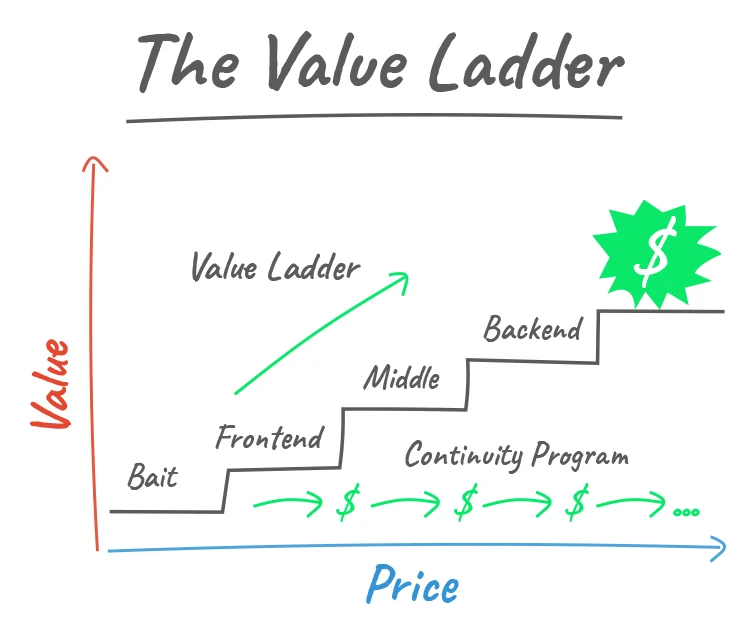
How the offer ladders up
Copy-paste incident and maintenance message templates, plus a checklist for what to tell users during an outage.
One branded status page with a few uptime checks, manual incidents and email subscribers on a platform subdomain.
Automatic incident publishing from monitoring, custom domain, live updates, subscriber notifications (email, SMS, webhook) and removal of branding.
More monitors and faster check intervals, multiple status pages, team seats, third-party component status, integrations (Slack, Intercom) and API access.
Value Equation Breakdown
Alex Hormozi's framework for understanding if an idea will be easy to sell. Higher scores = easier sell.
6.5/10
↑Maximize these
Users see the truth about an outage in seconds on a branded status page, and the owner doesn't touch a keyboard. Support calls and emails drop. Built-in monitoring covers common checks, but complex multi-region monitoring is out of scope at first.
Fairly high. Status pages are a proven category, and G2 reviewers across Statuspage, Instatus and Cachet say they cut calls and emails. The 'priced out small owner' gap is repeated in reviews, but the market is crowded and Instatus is rated about 4.9 on G2.
↓Minimize these
Under 15 minutes to a live page and first uptime check. The reduction in support load appears with the first outage.
Low effort: add a URL, pick checks, point a subdomain at the page. Owners already on Statuspage or Instatus must migrate subscribers and update links, and small sites must trust a newer vendor with a critical function.
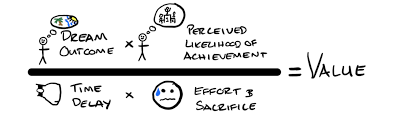
Alex Hormozi's Value Equation from $100M Offers. The higher your score, the easier your offer is to sell.
Understanding the Value Ladder
The Value Ladder structures your offers in ascending levels of value and price. Start with something irresistible and low-barrier, then build trust and deliver more value at each step up.
Why it works
The stages
Free value that builds trust and captures leads.
Low-ticket product that converts leads into buyers.
Your main product delivering the full solution.
Ongoing value through memberships or add-ons.
Premium, high-ticket solution for your best customers.
Framework: Russell Brunson — DotCom Secrets